

Chitwan National Park is one of the most searched and loved travel experiences for nature lovers, wildlife enthusiasts, and cultural explorers visiting South Asia. Chitwan National Park heart of Nepal and jungle safari represents the perfect blend of wilderness, biodiversity, and authentic local culture. Located in the fertile lowlands of southern Nepal, jungle safari in Chitwan National Park offers unforgettable encounters with rare wildlife, dense sal forests, grasslands, rivers, and traditional Tharu villages. When travelers think of Nepal beyond the Himalayas, Chitwan National Park stands out as a must-visit destination that showcases Nepal’s rich natural heritage.
Introduction to Chitwan National Park
Chitwan National Park is Nepal’s first national park and a UNESCO World Heritage Site, covering an area of approximately 952.63 square kilometers. Established in 1973 and granted UNESCO status in 1984, the park is located in the subtropical Inner Terai lowlands of south-central Nepal. It is easily accessible from Kathmandu and Pokhara, making it one of the most popular wildlife destinations in the country.
The word “Chitwan” comes from two Sanskrit words: Chit meaning heart and वन (Van) meaning jungle or forest. This perfectly explains why Chitwan National Park is often called the “Heart of the Jungle” and symbolically the heart of Nepal’s wildlife conservation efforts.
Why Chitwan National Park Is the Heart of Nepal
Chitwan National Park holds a special place in Nepal’s identity for several reasons:
- It is home to Nepal’s most iconic wildlife species
- It represents successful wildlife conservation
- It preserves indigenous Tharu culture
- It offers world-class jungle safari experiences
- It balances eco-tourism and community livelihood
Unlike the mountainous regions of Nepal, Chitwan showcases a completely different landscape,lush jungles, river systems, grasslands, and wetlands,making it a vital ecological zone.
Geography and Natural Landscape
Chitwan National Park lies in the subtropical Terai region at an elevation ranging from 100 to 815 meters above sea level. The park’s diverse geography includes:
- Dense Sal (Shorea robusta) forests
- Open grasslands known as phanta
- Riverine forests
- Ox-bow lakes
- Floodplains of the Rapti, Narayani, and Reu rivers
These varied habitats support an incredible range of flora and fauna, making the park one of the richest wildlife reserves in Asia.
Wildlife of Chitwan National Park
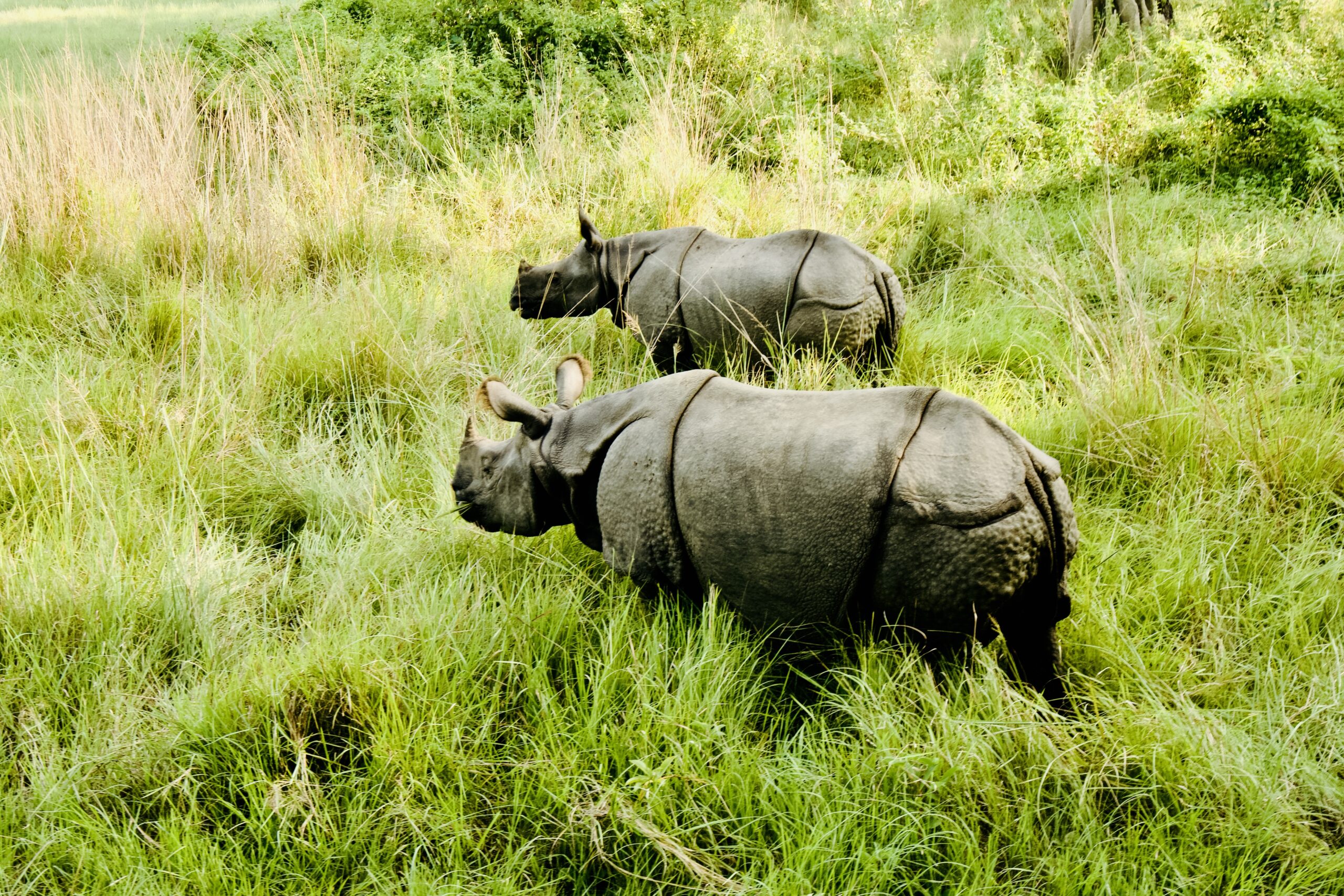
The greater one-horned rhinoceros is the pride of Chitwan National Park. Once on the brink of extinction, successful conservation programs have increased the rhino population significantly. Seeing a rhino grazing peacefully during a jungle safari is a highlight for most visitors.
Royal Bengal Tiger
Chitwan is one of the best places in Nepal to spot the elusive Royal Bengal Tiger. Although sightings are rare due to their shy nature, the park’s healthy tiger population reflects strong ecosystem management.
Asian Elephant
Both wild and domesticated Asian elephants are found in and around the park. Elephants play an important role in conservation patrols and jungle safaris.
Other Mammals
Chitwan National Park is home to over 68 species of mammals, including:
- Sloth bear
- Leopard
- Gaur (Indian bison)
- Wild boar
- Spotted deer (Chital)
- Sambar deer
- Langur and rhesus monkeys
Bird Watching Paradise
Chitwan National Park is a paradise for bird lovers, with over 540 species of birds recorded. The park is especially popular during the winter migration season when birds arrive from Siberia and Central Asia.
Commonly spotted birds include:
- Bengal florican
- Giant hornbill
- Paradise flycatcher
- Kingfishers
- Egrets and herons
- Peafowl
Birdwatching tours along the riverbanks and forest trails are among the most rewarding experiences in Chitwan.
Reptiles and Aquatic Life
The rivers of Chitwan National Park are home to several endangered reptile species, including:
- Gharial crocodile
- Marsh mugger crocodile
- Rock python
- Monitor lizard
The Narayani and Rapti rivers also support freshwater dolphins, turtles, and a variety of fish species.
Jungle Safari Experiences in Chitwan National Park
Jeep Safari
A jeep safari is one of the most popular ways to explore the park. It allows visitors to cover a large area and increases the chances of wildlife sightings. Jeep safaris usually last between 3 to 6 hours and operate in designated zones.
Canoe Ride
A traditional dugout canoe ride along the Rapti or Narayani River offers close-up views of crocodiles, birds, and riverbank wildlife. It is a peaceful and scenic experience, ideal for photography.
Walking Safari
Accompanied by experienced naturalists and armed guides, walking safaris offer an intimate jungle experience. Visitors learn to read animal tracks, bird calls, and forest signs.
Elephant Safari (Limited and Regulated)
While elephant safaris were once common, Nepal now promotes ethical tourism practices. Some regulated elephant experiences focus on conservation education rather than riding.
Tharu Culture and Local Communities
The Tharu people are the indigenous inhabitants of the Chitwan region. Their culture, traditions, and knowledge of the jungle are deeply connected to the land.
Visitors can experience Tharu culture through:
- Traditional Tharu dance performances
- Village walks
- Local cuisine
- Cultural museums
Tharu homes are uniquely designed using mud, dung, and natural materials, reflecting sustainable living practices.
Best Time to Visit Chitwan National Park
October to March (Best Season)
- Pleasant weather
- Clear visibility
- Best wildlife sightings
- Ideal for birdwatching
April to June (Hot but Rewarding)
- Hot temperatures
- Fewer tourists
- Higher chances of spotting tigers near water sources
July to September (Monsoon Season)
- Heavy rainfall
- Lush greenery
- Limited safari access
- Fewer visitors
Accommodation Options in Chitwan
Chitwan offers a wide range of accommodations to suit all budgets:
Luxury Resorts
- Jungle lodges with private nature walks
- Swimming pools and spa facilities
- Guided safari programs
Mid-Range Hotels
- Comfortable rooms
- Organized safari packages
- Cultural programs
Budget Guesthouses
- Simple but clean accommodation
- Ideal for backpackers
- Local hospitality
Most hotels are located in Sauraha, the main tourist hub near the park.
Conservation Efforts and Sustainable Tourism
Chitwan National Park is a global success story in wildlife conservation. Key initiatives include:
- Anti-poaching patrols
- Community-based conservation
- Buffer zone programs
- Wildlife monitoring
- Environmental education
Tourism revenue supports local communities and conservation projects, making responsible travel essential.
How to Reach Chitwan National Park
By Road
- Kathmandu to Chitwan: 5–6 hours
- Pokhara to Chitwan: 4–5 hours
By Air
- Bharatpur Airport has daily flights from Kathmandu
- Short drive from the airport to Sauraha
Things to Do Beyond Safari
- Visit Elephant Breeding Center
- Explore Bishazari Tal (20,000 Lakes)
- Sunset views along Rapti River
- Nature photography
- Cycling around villages
Why Chitwan National Park Should Be on Your Nepal Itinerary
Chitwan National Park offers a completely different side of Nepal—far from snow-capped mountains but equally magical. It is a destination where wildlife roams freely, rivers flow silently, and ancient cultures thrive.
Whether you are a nature lover, photographer, family traveler, or adventure seeker, Chitwan National Park heart of Nepal and jungle safari promises an enriching and unforgettable experience.
Final Thoughts
Chitwan National Park is not just a wildlife destination—it is the living heart of Nepal’s natural and cultural heritage. From thrilling jungle safaris to peaceful canoe rides and meaningful cultural encounters, the park offers something for every traveler.
When planning your Nepal journey, make sure Chitwan National Park heart of Nepal and jungle safari is part of your itinerary—for it is here that the wild soul of Nepal truly comes alive.